

Understanding Shopping Cart Abandonment
Shopping cart abandonment is a common occurrence in the world of eCommerce, affecting businesses of all sizes. This phenomenon takes place when a customer adds items to their online shopping cart but leaves the website without completing the purchase. The impact of high shopping cart abandonment rates is significant, as it serves as a key indicator of underlying issues within the checkout process. These issues can directly impact a business’s conversion rates and revenue. For instance, a high cart abandonment rate could highlight issues such as unexpected costs, a complicated checkout process, or strict return policies, all of which contribute to customers leaving without making a purchase.
In order to address the challenge of shopping cart abandonment, eCommerce businesses need to implement effective strategies aimed at reducing the occurrence of abandoned carts and improving conversion rates. This involves a comprehensive approach that encompasses various aspects of the customer journey, from the moment items are added to the cart to the completion of the purchase. By recognising the significance of high abandonment rates and understanding the impact on revenue, businesses can proactively work towards implementing strategies that enhance the overall shopping experience for their customers while minimising the likelihood of abandoned carts.
Common Reasons for Shopping Cart Abandonment
Shopping cart abandonment is a prevalent issue for e-commerce businesses, and understanding the common reasons behind it is crucial for implementing effective strategies to combat this challenge. Unexpected costs, such as shipping fees and taxes, are significant contributors to customer dissatisfaction and eventual cart abandonment. Customers often find themselves deterred from completing their purchases when they encounter additional expenses that were not clearly communicated upfront. For instance, a customer may abandon their cart if they discover unexpected shipping costs during the checkout process, leading to dissatisfaction and a lost sale.
In addition to unexpected costs, the length and complexity of the checkout process play a pivotal role in cart abandonment. A lengthy and convoluted checkout procedure creates friction for customers, making it less likely for them to finalise their purchases. It is essential for businesses to streamline their checkout process and eliminate unnecessary steps to provide a seamless and efficient experience for their customers. For instance, a customer who encounters a multi-page checkout process with extensive form fields may feel discouraged and opt to abandon their cart, resulting in a lost opportunity for the business.
Moreover, strict return policies can also lead to customer hesitation and uncertainty, ultimately contributing to abandoned carts. When customers are unsure about the ease and flexibility of returning purchased items, they may be less inclined to proceed with their orders, leading to cart abandonment. Therefore, it is imperative for businesses to clearly communicate their return policies and ensure that customers feel confident and reassured about their ability to return products if needed. An example of this would be a customer who hesitates to complete their purchase due to ambiguities surrounding the return process, ultimately resulting in an abandoned cart and a missed sales opportunity.
 Implementing Strategies to Reduce Shopping Cart Abandonment
Implementing effective strategies is crucial in reducing shopping cart abandonment and improving conversion rates. One strategy involves providing clear calls to action throughout the checkout process to make the next steps evident to shoppers and encourage completion. For example, incorporating prominent and simple call-to-action buttons such as “Proceed to Checkout” or “Complete Purchase” can guide customers through the checkout process and reduce the likelihood of abandonment.
Another impactful strategy is offering a choice of delivery options to cater to different customer preferences. Providing options such as standard delivery, express delivery, or click-and-collect can enhance the shopping experience by giving customers the flexibility to select a delivery method that aligns with their needs and urgency. This not only reduces the chances of abandonment due to limited delivery choices but also demonstrates a customer-centric approach, potentially leading to higher conversion rates.
Moreover, implementing guest checkout as a strategy to reduce cart abandonment can significantly streamline the purchasing process. By allowing customers to complete their transactions without the need to create an account, friction in the checkout process is minimised, making it more convenient for shoppers to finalise their purchases. This approach eliminates the potential frustration associated with account creation and login procedures, thereby reducing the likelihood of cart abandonment and contributing to a smoother and more efficient checkout process.
Additionally, leveraging analytics to monitor abandonment rates and identify patterns is instrumental in understanding customer behaviour and optimising the shopping journey. For instance, by tracking the points at which customers tend to abandon their carts, businesses can pinpoint specific areas of improvement, such as addressing usability issues, refining the checkout flow, or simplifying the payment process. This data-driven approach enables e-commerce stores to make targeted enhancements that directly mitigate abandonment rates, enhancing the overall shopping experience and ultimately driving higher conversions.
 Optimising the Checkout Process
One effective strategy for optimising the checkout process is to streamline the checkout forms to reduce user effort and create a more efficient and user-friendly process. For example, reducing the number of required fields in the checkout form to only essential information, such as shipping address, payment details, and contact information, can significantly improve the user experience and expedite the checkout process. This reduction in user effort can lead to a higher completion rate and a lower likelihood of cart abandonment, ultimately improving conversions and revenue.
In addition to simplifying the checkout forms, offering help where needed can play a crucial role in reducing abandonment rates. For instance, providing easily accessible customer service options, such as live chat support or a dedicated helpline, can address any concerns or queries that customers may have during the checkout process. Moreover, incorporating microcopy – small, helpful pieces of text placed strategically throughout the checkout process – can provide valuable guidance and reassurance to customers, ensuring a seamless and positive experience that encourages them to complete their purchase.
Furthermore, implementing conversion messaging is imperative for reducing cart abandonment. This includes incorporating progress indicators that clearly show customers how many steps are left in the checkout process, as well as providing clear and concise guidance at each stage. By doing so, customers are more likely to feel informed and guided through the process, reducing the likelihood of confusion or frustration that may lead to abandonment. These measures collectively contribute to a smoother and more transparent checkout process, thereby boosting customer satisfaction and conversion rates.
Incentives, Remarketing, and Building Trust
In addition to streamlining the checkout process, offering incentives and leveraging remarketing strategies can also significantly contribute to reducing shopping cart abandonment. For instance, implementing exit-intent pop-ups and persistent cart reminders throughout the checkout process can effectively engage customers and encourage them to complete their purchases. This technique serves as a gentle nudge to the customer, reminding them of the items in their cart and encouraging them to finalise the transaction, thus reducing abandonment.
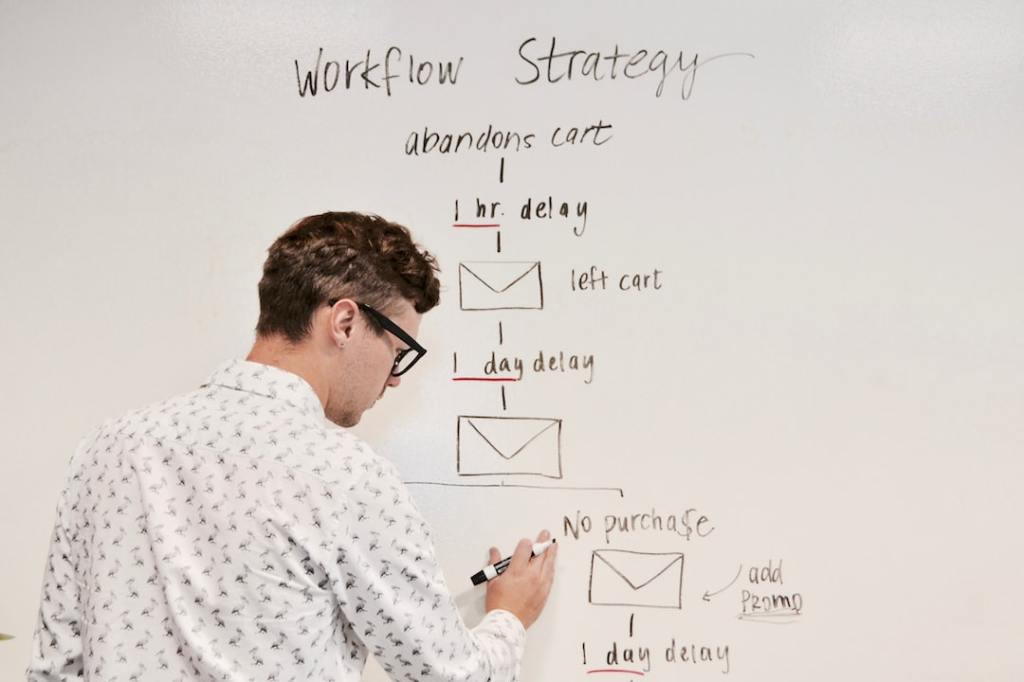
Moreover, email retargeting is a powerful tool that can entice customers back to the checkout process. By sending targeted emails that include special discounts or offers, businesses can effectively re-engage potential customers who have abandoned their carts. This not only provides an incentive for the customer to return but also creates a sense of urgency, prompting them to complete the purchase.
Furthermore, building trust and credibility through various means is crucial in combatting cart abandonment. Providing multiple payment options and clear, transparent communication of shipping and return policies can instil confidence in customers, alleviating any concerns they may have about the purchasing process. This, in turn, can reduce the likelihood of cart abandonment and encourage customers to proceed with their transactions. Additionally, using cart abandonment emails or SMS messages to tempt customers back to checkout and complete their purchase leverages remarketing techniques, allowing businesses to make the most of the opportunities presented by abandoned carts. These strategies collectively work towards reducing cart abandonment and improving overall conversion rates in e-commerce.
Conclusion
Addressing shopping cart abandonment in eCommerce is crucial for improving revenue and conversions. By implementing the discussed strategies, businesses can effectively combat cart abandonment and improve their overall conversion rates. Continuous monitoring and adjustment of these strategies are encouraged to ensure ongoing success in reducing shopping cart abandonment and maximising sales.
It’s important to note that the significance of cart abandonment extends beyond just lost sales. It also provides valuable insights into customer behaviour and preferences. For example, by analysing the reasons behind cart abandonment, such as unexpected costs or a lengthy checkout process, businesses can tailor their strategies to directly address these pain points. This data-driven approach can help in creating a more seamless and customer-centric shopping experience, ultimately leading to higher conversion rates and customer satisfaction.
Furthermore, businesses can leverage the power of personalised remarketing efforts to re-engage potential customers who have abandoned their carts. For instance, by sending targeted cart recovery emails or SMS messages, companies can provide incentives or discounts to entice customers back to complete their purchases. This proactive approach not only helps in recovering potentially lost sales but also reinforces the brand’s commitment to customer satisfaction and engagement, building long-term loyalty and trust.
In conclusion, the fight against shopping cart abandonment is an ongoing process that requires a multi-faceted approach, including streamlining the checkout process, offering incentives, and building trust. By understanding the common reasons for cart abandonment and implementing effective strategies, businesses can not only reduce abandonment rates but also create a positive and seamless shopping experience for their customers, ultimately leading to improved conversions and revenue.





 Creative Ecommerce
Leave a comment