
Importance of Email Marketing for Shopify Businesses
Email marketing plays a crucial role in nurturing customer relationships and fostering brand loyalty for Shopify businesses. It serves as a powerful tool for driving repeat business, increasing customer engagement, and boosting sales for Shopify stores. The potential to deliver targeted and personalised content to customers through email marketing enhances the overall marketing effectiveness of Shopify businesses.
Furthermore, email marketing allows Shopify businesses to stay top-of-mind with their customers, providing regular updates on new products, promotions, and other relevant information. This consistent communication helps to reinforce brand identity and build trust among the customer base, ultimately leading to higher customer retention and loyalty. In addition, email marketing enables Shopify businesses to segment their customer base and tailor their messages to specific groups, ensuring that the content resonates with each audience segment and drives meaningful engagement.
Moreover, with the right email marketing strategies in place, Shopify businesses can leverage data-driven insights to refine their marketing efforts, improve customer targeting, and increase the relevance of their communications. This data-driven approach allows them to understand customer behaviour, preferences, and purchasing patterns, empowering them to make informed decisions that positively impact their bottom line and overall business growth.
Benefits of Using Email Marketing for Shopify
Email marketing is an invaluable tool for Shopify businesses as it allows them to deliver highly targeted and personalised content to their customer base. By tailoring content to specific customer segments, businesses can significantly improve engagement and drive conversions. For example, a Shopify store selling beauty products can use email marketing to send tailored skincare tips to customers who have previously shown interest in skincare, thus increasing the likelihood of a purchase.
Moreover, email marketing provides a cost-effective means for Shopify businesses to connect with their audience and achieve tangible results, such as increased sales and improved customer retention. For instance, a Shopify clothing store can send personalised discount offers to loyal customers via email, incentivising them to make repeat purchases and fostering brand loyalty.
Furthermore, the data-driven nature of email marketing equips Shopify businesses with valuable insights into customer behaviour, preferences, and purchasing patterns. By analysing open rates, click-through rates, and customer responses, businesses can refine their marketing strategies and improve overall business performance. For example, a Shopify store can use email marketing data to identify popular products and tailor future email campaigns to showcase similar items, thereby maximising sales and customer satisfaction.
Best Practices for Creating Effective Shopify Email Campaigns
Crafting compelling subject lines is a critical element of creating effective email campaigns for Shopify businesses. A well-crafted subject line can capture the attention of recipients and entice them to open the email, leading to increased engagement and click-through rates. For example, a Shopify store specializing in eco-friendly products may use a subject line such as “Discover Sustainable Living: Exclusive Offers Inside” to appeal to environmentally conscious customers.
In addition to subject lines, creating engaging content is vital for the success of Shopify email campaigns. Content that provides value to recipients, such as informative product descriptions, educational resources, or entertaining stories, can foster a deeper connection with customers and encourage them to take desired actions, such as making a purchase or visiting the online store. For instance, a Shopify store focused on fitness apparel may include workout tips, success stories, or motivational quotes in their email content to resonate with their audience and drive engagement.
Furthermore, incorporating clear calls-to-action (CTAs) is an essential best practice for Shopify email campaigns. Well-defined CTAs prompt recipients to take specific actions, such as “Shop Now”, “Learn More”, or “Claim Your Discount”, guiding them towards making a purchase or engaging with the brand. A Shopify store offering skincare products might include a CTA like “Discover Your Perfect Skincare Routine” to lead customers to explore their product range and make informed purchase decisions.
Ensuring mobile responsiveness and conducting A/B testing for email campaigns are equally important to enhance the performance and impact of Shopify email marketing efforts. When emails are optimised for mobile devices, they provide a seamless and visually appealing experience for recipients accessing them on smartphones or tablets. A/B testing allows Shopify businesses to experiment with different elements of their email campaigns, such as subject lines, content layouts, or CTAs, to identify the most effective strategies for engaging their audience and driving conversions. Segmenting email lists based on customer preferences and behaviours, and personalising content accordingly, are also crucial best practices that contribute to improved engagement and conversion rates for Shopify businesses.
 Tips for Building an Email List for Your Shopify Store
Building an email list is a critical aspect of any successful email marketing strategy for Shopify businesses. One effective approach to expanding an email list is by implementing compelling lead magnets, such as exclusive offers, discounts, or valuable content, to entice visitors to subscribe to the mailing list. For instance, a Shopify store offering a free e-book or a discount on the first purchase in exchange for email subscriptions can significantly increase the number of subscribers.
Moreover, strategically placing opt-in forms at key touchpoints on the website, such as the homepage, product pages, or during the checkout process, can also contribute to the growth of the email list. By making it convenient for visitors to sign up for updates and offers, Shopify businesses can capture a larger audience for their email marketing campaigns, ultimately leading to increased brand engagement and potential sales.
Additionally, utilising customer segmentation and personalisation techniques can further enhance the effectiveness of email list building efforts. By understanding the preferences and behaviours of their audience, Shopify businesses can tailor their email content to resonate with specific segments, leading to a more engaged subscriber base. For example, a Shopify store selling fashion accessories might segment their audience based on their interests in specific product categories, allowing them to send targeted emails featuring relevant products to each segment, thereby enhancing the likelihood of conversions and sales.
Furthermore, encouraging sign-ups through incentivised offers, such as exclusive promotions, early access to sales, or providing valuable content such as industry insights or styling tips, can help Shopify businesses attract subscribers who are genuinely interested in their products or services. By offering genuine value to subscribers, Shopify businesses can build a loyal and engaged email list, fostering meaningful connections with their audience and driving successful conversions and sales.
 How to Automate Email Marketing for Shopify
Implementing email marketing automation for Shopify businesses can significantly streamline their marketing efforts and drive better results. By leveraging automation tools, businesses can send targeted and timely emails to customers, nurturing relationships and boosting sales with minimal manual effort. There are several email marketing apps for Shopify stores that are better alternatives to Mailchimp, such as BayEngage, Omnisend, Moosend, Klaviyo, and AWeber. For instance, a Shopify store can set up automated workflows to send personalised email campaigns based on specific customer actions or behaviours. This could include welcoming new subscribers, acknowledging recent purchases, or re-engaging inactive customers. By tailoring content based on these actions, businesses can enhance customer engagement and increase conversion rates, ultimately driving revenue growth.
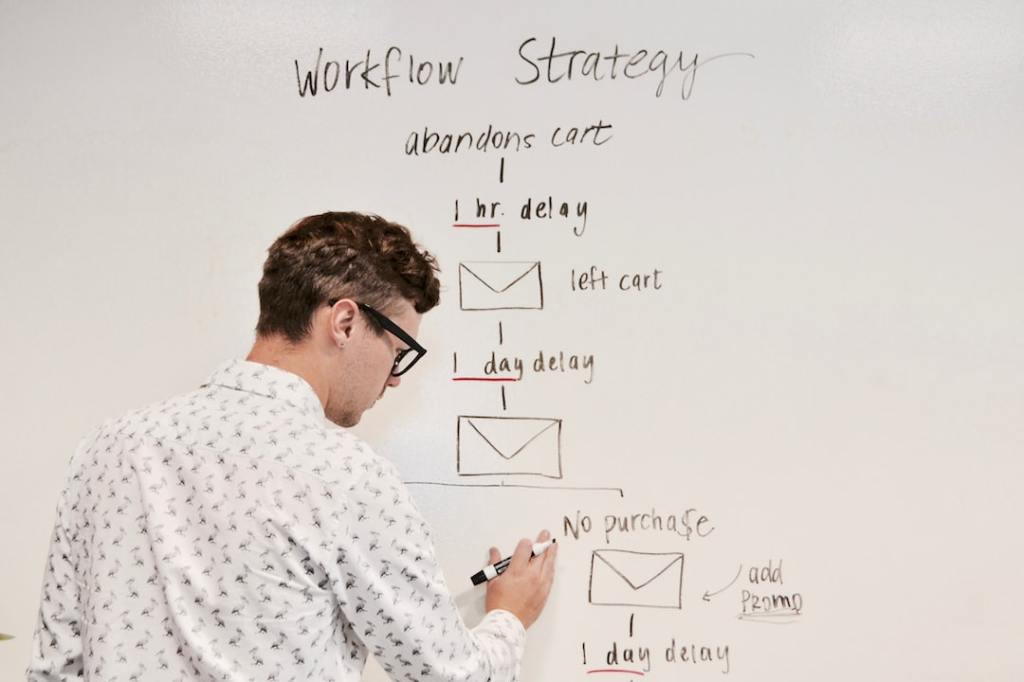
Moreover, one of the key benefits of email marketing automation for Shopify is the ability to implement workflows for tasks such as abandoned cart reminders and follow-up emails. For example, when a customer leaves items in their cart without completing the purchase, an automated email can be sent to remind them about the products and encourage them to complete their transaction. This automated approach not only helps in re-engaging customers but also contributes to recovering potentially lost sales, thereby improving the bottom line for Shopify businesses. Additionally, automation allows businesses to segment their customer base and send targeted content, ensuring that the right message reaches the right audience at the right time, which is crucial for driving successful email marketing campaigns.
Examples of Successful Shopify Email Marketing Campaigns
When it comes to successful Shopify email marketing campaigns, there are numerous examples that showcase the power of effective strategies and creative approaches. One such example is the “Abandoned Cart Recovery” campaign implemented by a Shopify store. This campaign included personalised product recommendations based on the customer’s browsing and purchase history, compelling content that emphasised the value and benefits of the abandoned products, and a strategic timing of the email delivery to re-engage customers at the right moment. As a result, this campaign not only recovered abandoned sales but also led to additional purchases, demonstrating the impact of personalised content and strategic timing in email marketing.
Another notable example is the “Exclusive Early Access” campaign conducted by a Shopify store to launch a new product line. This campaign offered exclusive early access to the new products to a segment of the email list, creating a sense of exclusivity and urgency. By leveraging compelling content that highlighted the unique features of the new products and providing a clear call-to-action for customers to make a purchase, this campaign generated significant buzz and sales before the official product launch. This example illustrates how creating a sense of exclusivity and urgency, coupled with engaging content, can drive customer engagement and boost sales for Shopify businesses through email marketing.
By analysing and learning from these successful examples, Shopify businesses can gain practical ideas and inspiration to create impactful email marketing campaigns that resonate with their target audience. These examples not only provide insights into the key elements that contribute to the success of email campaigns but also offer valuable lessons on how to implement similar tactics to achieve successful results in email marketing efforts [3].





 Creative Ecommerce
Leave a comment