

Introduction
The significance of optimizing a Shopify store for maximum visibility and conversion cannot be overstated in today’s highly competitive e-commerce landscape. Implementing effective Conversion Rate Optimization (CRO) strategies is crucial for gaining valuable insights and improving the digital customer experience, ultimately leading to increased conversion rates. Additionally, the role of Search Engine Optimization (SEO) in attracting organic traffic and improving search engine rankings is paramount for the success of any Shopify store.
For instance, implementing CRO strategies such as analyzing current performance, creating detailed buyer personas, and using smart collections can significantly enhance the customer experience, leading to improved conversion rates. Furthermore, focusing on SEO to attract organic traffic through strategies such as targeting the right keywords, engaging with social media, and optimizing the website’s technical aspects is essential for enhancing store visibility in Search Engine Results Pages (SERP) and driving more traffic to the Shopify store. By exploring the key strategies for optimizing a Shopify store, businesses can pave the way for improved visibility and increased conversions, leading to sustained growth and success in the competitive e-commerce landscape.
 Analyzing Current Performance
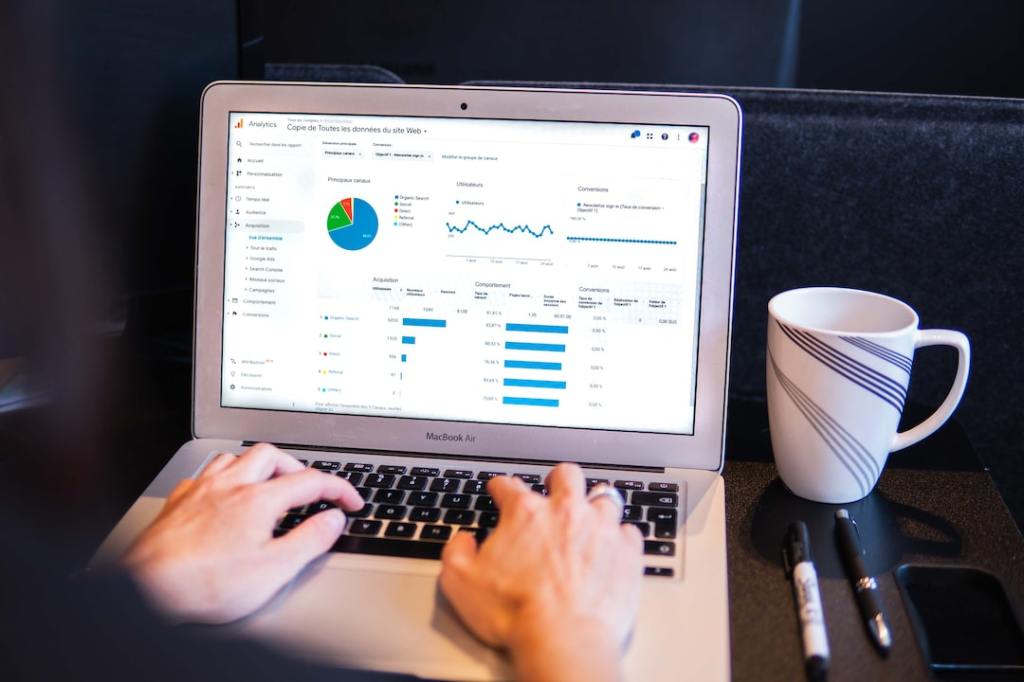
Analyzing the current performance of a Shopify store is a critical step in identifying areas for improvement and implementing effective CRO strategies. To improve conversion rates, businesses must first understand how their website is currently performing. This involves analyzing website traffic, customer engagement, and conversion data. By using web analytics tools such as Google Analytics, businesses can gain valuable insights into visitor behavior, popular products, and potential barriers to conversion. Detailed buyer personas can be created by analyzing the demographic and behavioral data of the site visitors, allowing businesses to tailor their marketing strategies and product offerings to better meet customer needs and preferences.
Another strategy for optimizing performance is the use of smart collections in Shopify. Smart collections allow businesses to automatically categorize products based on specific conditions, ensuring that customers are presented with relevant and personalized product recommendations. By leveraging smart collections, businesses can enhance the digital customer experience, make product discovery easier for visitors, and ultimately increase the likelihood of conversion. Moreover, businesses can offer time-sensitive coupon codes to encourage customers to make a purchase, improving conversion rates and increasing revenue. Analyzing the current performance of a Shopify store provides valuable insights that can inform strategic decisions aimed at maximizing customer acquisition and improving the digital customer experience.
In addition to the strategies mentioned above, businesses can also leverage heatmaps and session recordings to gain deeper insights into user behavior on their Shopify store. Heatmaps can visually represent where users are clicking, scrolling, and spending the most time on a webpage, offering valuable insights into user engagement and interaction. Session recordings, on the other hand, allow businesses to observe real user interactions with the website, providing a first-hand look at how visitors navigate through the store, any potential friction points, and areas for improvement. By analyzing these data sources, businesses can identify specific areas for optimization and tailor their CRO strategies to address the identified user behaviors and preferences, ultimately leading to improved conversion rates and enhanced user experience.
Optimizing Product Pages
When optimizing product pages on a Shopify store, it’s essential to consider the impact on the digital customer experience and overall conversion rates. For instance, clear call-to-action buttons play a pivotal role in guiding customers through the purchasing process, making it easier for them to take the desired action, ultimately leading to improved conversion rates. Additionally, incorporating high-quality product photography can significantly enhance the visual appeal of the product page, providing potential customers with a better understanding of the product they are interested in. By showcasing products through compelling images, businesses can effectively capture the attention of their target audience and encourage them to explore further, thus contributing to an enhanced digital customer experience and potentially increased conversion rates.
Moreover, detailed product descriptions are instrumental in providing customers with comprehensive information about the products, addressing their potential concerns, and helping them make informed purchase decisions. For example, a detailed product description can outline the key features, benefits, and specifications of a product, effectively communicating its value to potential customers. This level of transparency and clarity can instill confidence in customers, leading to a higher likelihood of conversion. Similarly, integrating trust signals such as customer reviews and testimonials can further solidify the credibility of the product and the store, positively influencing the digital customer experience and bolstering conversion rates.
In addition to the strategies highlighted above, businesses can also implement personalized product recommendations based on customer behavior and preferences to further optimize product pages. For instance, by utilizing data-driven algorithms, businesses can showcase related or recommended products to customers based on their browsing history or purchase behavior, increasing the likelihood of cross-selling and upselling. By tailoring product recommendations to individual customers, businesses can enhance the digital customer experience, drive higher engagement, and ultimately boost conversion rates, leading to increased revenue and sustained growth.
Best Practices for Shopify CRO
In addition to the strategies mentioned above, adding live sales notifications can create a sense of urgency and encourage customers to make a purchase. For example, displaying real-time notifications about recent purchases or product views can instill confidence and prompt visitors to take action, thus contributing to improved conversion rates. Moreover, incorporating smart collections and related products on the product pages can help cross-sell and upsell items, further boosting sales and enhancing the digital customer experience.
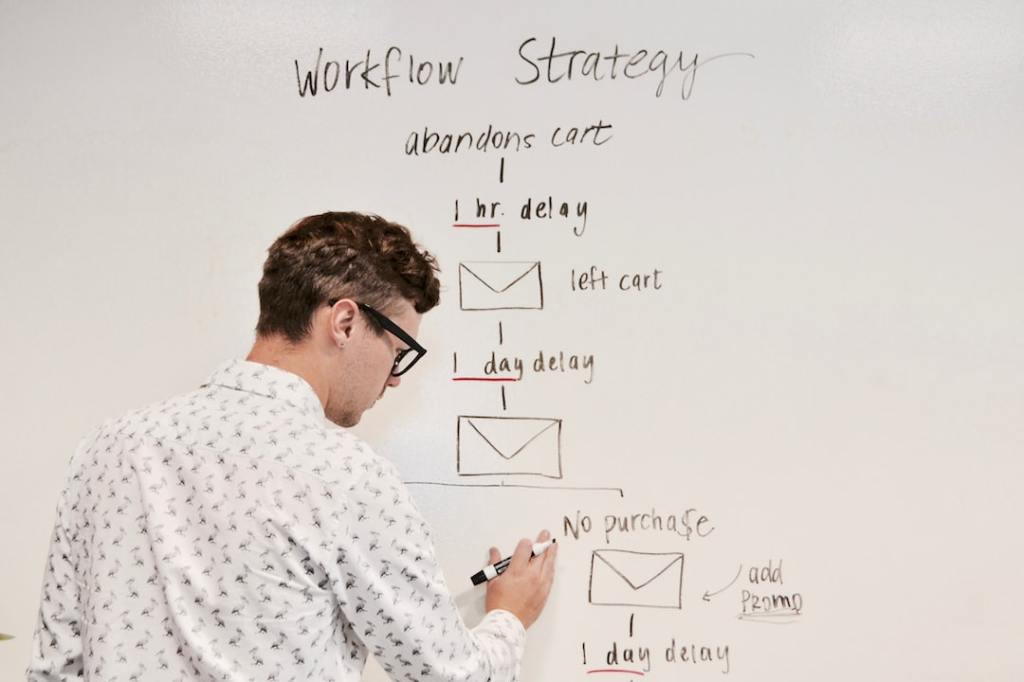
Furthermore, it’s crucial to optimize the checkout process by minimizing the number of steps required for completing a purchase. Streamlining the checkout process can prevent cart abandonment and improve conversion rates. For instance, implementing a one-page checkout or providing multiple payment options can make the purchasing process more convenient for customers, leading to a higher likelihood of completing the transaction. These best practices ensure that the Shopify store is finely tuned to cater to the needs and preferences of potential customers, resulting in an optimized conversion rate and increased revenue.
In addition to the strategies discussed above, businesses can also implement personalization techniques to enhance the customer experience and drive higher conversion rates. For example, utilizing dynamic content that adapts to the user’s behavior and preferences can create a more tailored and engaging experience, leading to increased customer satisfaction and improved conversion rates. Furthermore, leveraging social proof through user-generated content, expert testimonials, and influencer endorsements can build trust and credibility, positively impacting customer perception and driving higher conversion rates. By incorporating these best practices, businesses can create a compelling and personalized shopping experience for customers, ultimately leading to improved conversion rates and increased revenue.
Strategies for Improving Store Visibility in SERP
When it comes to improving store visibility in Search Engine Results Pages (SERP), businesses need to focus on a comprehensive strategy that encompasses various elements. One of the key strategies is to target the right keywords that align with the products or services offered, as well as the search intent of the target audience. By conducting thorough keyword research and incorporating these terms strategically throughout the website, businesses can increase their chances of ranking higher in SERP and attracting relevant organic traffic.
Engaging with social media is another essential component of improving store visibility. Actively participating in social media platforms and promoting engaging content can not only drive traffic to the Shopify store but also create brand awareness and establish a community of loyal customers. Moreover, social media activity can contribute to backlinks, which are valuable for SEO and can positively impact the store’s visibility in search engine rankings.
Another crucial aspect of enhancing store visibility is to pay attention to link building. Building high-quality backlinks from reputable and relevant websites can significantly boost a store’s authority and credibility in the eyes of search engines. This, in turn, can lead to improved rankings in SERP and increased organic traffic. Businesses can achieve this through guest posting, influencer collaborations, and partnerships with industry-related websites to obtain valuable backlinks that direct traffic to their Shopify store.
Furthermore, technical SEO practices play a vital role in enhancing store visibility in SERP. Optimizing the website’s URL structure, ensuring proper meta tags support, and implementing SSL certification are fundamental technical aspects that contribute to improved search engine rankings. Additionally, having a mobile-friendly website design is crucial in today’s digital landscape, as search engines prioritize mobile responsiveness when ranking websites. These technical optimizations can significantly impact a store’s visibility and organic traffic acquisition.
In addition to the strategies mentioned above, businesses can also leverage content marketing to enhance their store’s visibility and attract organic traffic. By creating high-quality and relevant content that addresses the needs and interests of their target audience, businesses can establish themselves as authoritative voices in their industry, driving more organic traffic and improving their rankings in SERP. Moreover, by focusing on long-tail keywords and providing valuable insights through blog posts, guides, and informative articles, businesses can attract a larger audience and increase their visibility in search engine results.
 Common Problems with Shopify SEO
When it comes to SEO on Shopify, there are several common issues that can impact a store’s search engine ranking and visibility. One of these issues is the presence of duplicate content, which can confuse search engines and prevent them from properly indexing and ranking a store’s pages. This can be particularly problematic for e-commerce stores with a large number of product pages and similar content. By addressing duplicate content through strategies such as canonical tags and 301 redirects, store owners can ensure that search engines prioritize the correct pages and improve the overall ranking of their store.
Another prevalent problem is the forced URL structure that Shopify imposes on its users. This default URL structure may not always align with the best practices for SEO, and it can limit the flexibility of store owners in optimizing their URLs for search engines. However, this challenge can be overcome by implementing custom URL structures and optimizing them with relevant keywords, thus providing search engines with clear and descriptive information about the content of each page. This allows for better indexing and ranking, ultimately enhancing the store’s visibility in search engine results.
Additionally, it’s important for businesses to keep an eye on technical SEO aspects such as mobile-friendly design and structured data implementation. With the increasing use of mobile devices for online shopping, having a mobile-friendly website is crucial for providing a seamless user experience and gaining favor with search engines. Similarly, implementing structured data can help search engines better understand and display a store’s content in rich snippets, which can significantly improve the store’s visibility and click-through rates in search results. Monitoring these technical SEO aspects and making necessary adjustments can contribute to better search engine rankings and increased organic traffic.
In addition to the challenges mentioned above, businesses also need to address the issue of page load speed, which can significantly impact their store’s SEO performance. Slow-loading pages can lead to higher bounce rates and lower search engine rankings, as user experience is a crucial factor in search engine algorithms. By optimizing images, leveraging browser caching, and minimizing server response time, businesses can improve their page load speed, resulting in better user experience, higher search engine rankings, and increased organic traffic. Furthermore, implementing Accelerated Mobile Pages (AMP) for mobile users can further enhance the store’s visibility and ranking in search results, providing a faster and more streamlined experience for mobile users.
Technical Aspects of SEO for Shopify
When it comes to technical aspects of SEO for a Shopify store, there are several key factors to consider in order to improve search engine ranking and attract organic traffic. One essential element of technical SEO is optimizing the website’s URL structure. By creating clear and descriptive URLs for product pages and other content, it becomes easier for search engines to understand the relevance of the page to a user’s query. For example, a URL like “https://examplestore.com/men/shoes/running-shoe” provides more valuable information to search engines and users compared to a generic URL like “https://examplestore.com/product1234”.
Another crucial aspect of technical SEO for Shopify is ensuring robust meta tags support. This involves creating unique and compelling title tags and meta descriptions for each product page, collection, and other essential pages on the website. Effective meta tags can significantly improve click-through rates from search engine results pages, ultimately driving more organic traffic to the store. For instance, a well-crafted meta description that includes relevant keywords and a clear call to action can entice users to click on the link and visit the product page, contributing to improved visibility and traffic.
Moreover, obtaining SSL certification is imperative for a Shopify store to establish a secure connection between the server and the user’s browser. This not only provides a secure browsing experience for customers but also signals to search engines that the website is trustworthy and safe to visit. As a result, websites with SSL certification are often favored in search engine rankings, leading to increased visibility and organic traffic. For example, a Shopify store with SSL certification is more likely to appear higher in search results, thereby attracting more potential customers.
In addition to the technical aspects mentioned above, businesses can also focus on site speed optimization to enhance their store’s SEO performance. By leveraging tools such as Google PageSpeed Insights and GTmetrix, businesses can identify opportunities to improve their site speed, such as optimizing images, enabling compression, and minimizing server response time. Faster loading times not only lead to better user engagement but also positively impact search engine rankings, making the store more visible to potential customers searching for relevant products or services. Furthermore, implementing lazy loading for images and deferring JavaScript can further optimize the site speed, leading to a more seamless and satisfying user experience, which is essential for driving higher organic traffic and improving search engine rankings.
Measuring Product Page Success
Measuring the success of product page optimization is a crucial step in understanding how well your Shopify store is performing in terms of product visibility and conversion rates. By evaluating the impact of changes made to product pages, businesses can gain valuable insights into the effectiveness of their optimization strategies and identify areas for improvement.
For example, analyzing the average order value can indicate whether the product page optimization has led to an increase in the amount customers are spending per transaction. A higher average order value suggests that the optimization efforts have resonated with the target audience, resulting in a larger purchase size. This metric not only reflects the appeal of the products but also the effectiveness of the content and design elements on the product pages in influencing purchasing decisions.
Moreover, monitoring the click-through rate (CTR) provides insights into how engaging and compelling the product pages are to the visitors. A high CTR indicates that the product pages are effectively capturing the attention of potential customers and enticing them to explore the offerings further. On the other hand, a low CTR may signal that the product pages need adjustments to make them more appealing and actionable. By analyzing the CTR, businesses can refine their product page elements, such as images, calls to action, and product descriptions, to enhance the digital customer experience and drive better conversion rates.
In addition to the metrics mentioned above, businesses can also focus on bounce rate and exit rate to assess the effectiveness of their product pages. A high bounce rate may indicate that visitors are not finding the content or products relevant to their needs, prompting them to leave the page without further interaction. Similarly, a high exit rate on specific product pages may indicate potential issues with the content, pricing, or user experience, requiring further optimization. By understanding these metrics and their implications, businesses can make data-driven decisions to continually enhance the product page optimization and maximize their Shopify store’s visibility and conversion rates.
Recommended SEO Apps for Shopify
When it comes to improving the visibility of a Shopify store and attracting organic traffic, using SEO apps can be a game-changer. For example, Judge.me Product Reviews is an excellent tool for gathering and showcasing customer feedback, which can build trust and credibility with potential buyers. This not only enhances the digital customer experience but also contributes to better conversion rates by providing social proof and increasing customer confidence in the products or services offered.
Another noteworthy SEO app is the Avada SEO & Image Optimizer, which focuses on optimizing images and improving the technical aspects of SEO. This app can help in enhancing the loading speed of product pages, which is crucial for providing a seamless and satisfying user experience. Faster loading times not only lead to better user engagement but also positively impact search engine rankings, making the store more visible to potential customers.
In addition to the SEO apps mentioned above, businesses can also leverage SEOAnt – 404 Link Redirect to improve their store’s SEO performance. This app focuses on redirecting broken links to relevant content, ensuring a seamless user experience and preventing potential SEO penalties. By maintaining a healthy and crawlable link structure, businesses can improve their search engine rankings and provide a more seamless browsing experience for visitors, ultimately leading to increased visibility and organic traffic for the Shopify store.
Moreover, businesses can also consider using the SEO Manager app to optimize their store’s on-page SEO elements. This app provides comprehensive features for optimizing meta titles, descriptions, and image alt tags, ensuring that each page is fully optimized for search engines. By incorporating relevant keywords and compelling descriptions, businesses can enhance their search engine visibility and attract more organic traffic to their Shopify store, ultimately contributing to improved conversion rates and revenue growth.
In conclusion, the utilization of these SEO apps can significantly impact a Shopify store’s visibility and conversion rates, providing valuable tools and features to enhance the digital customer experience, improve search engine rankings, and attract organic traffic. By leveraging these apps, businesses can optimize their Shopify store for maximum visibility and conversion, ultimately leading to sustained growth and success in the competitive e-commerce landscape.
[1] Source: https://www.upscribe.io/blog/shopify-conversion-rate-optimization-guide Source: https://www.shopify.com/blog/expert-advice-improve-product-pages Source: https://community.shopify.com/c/ecommerce-marketing/how-to-improve-my-shopify-store-visibility-in-serp/m-p/1553751 Source: https://www.highervisibility.com/industries/ecommerce/learn/shopify-seo-best-practices






Leave a Reply